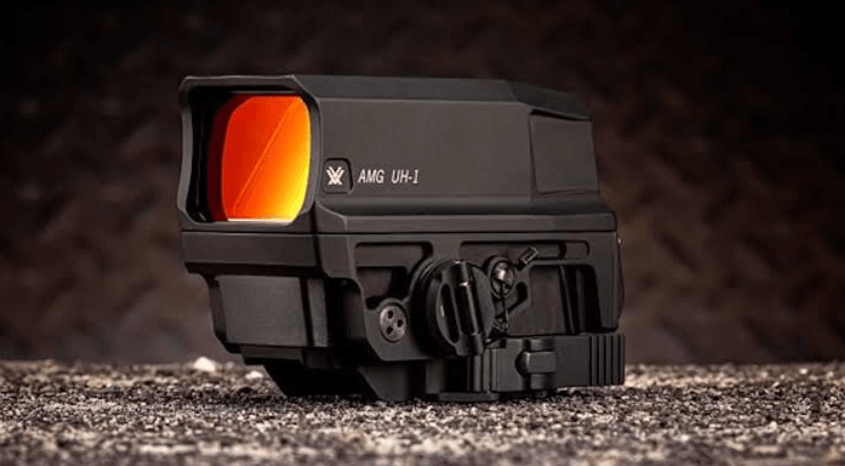
Brands entering or expanding within the shooting sports accessory market frequently encounter two related but distinct manufacturing arrangements: OEM and ODM. Understanding the practical differences behind red dot sight OEM/ODM services helps brands select the development approach best suited to their specific needs and internal capabilities.
Distinguishing OEM From ODM Arrangements
What OEM Manufacturing Typically Involves
Original Equipment Manufacturing arrangements typically involve a brand providing detailed product specifications, with the manufacturer responsible for producing the physical product according to those exact requirements, often incorporating the brand’s own design input throughout the process.
What ODM Manufacturing Typically Involves
Original Design Manufacturing arrangements typically involve the manufacturer providing pre-developed product designs that brands can then customize with their own branding, packaging, and minor modifications, without requiring the brand to develop detailed engineering specifications independently.
Choosing Between OEM and ODM Based on Brand Resources
When OEM Makes Sense
Brands with strong internal product development expertise, or a clear, detailed vision for a specific custom product, often benefit from OEM arrangements that allow greater control over exact specifications and design details throughout the development process.
When ODM Makes Sense
Brands without extensive internal engineering resources, or those seeking a faster path to market, often find ODM arrangements more practical, since manufacturers provide much of the foundational product development work already completed.
Evaluating Manufacturer Capabilities for OEM/ODM Services
Engineering Support Available Through OEM Arrangements
Brands pursuing OEM development should evaluate a manufacturer’s genuine engineering support capabilities, including their ability to provide technical guidance and identify potential design issues before they become costly production problems.
Design Portfolio Quality for ODM Options
For brands considering ODM arrangements, reviewing a manufacturer’s existing design portfolio provides important insight into whether their pre-developed products genuinely align with the brand’s target market and quality expectations.
Balancing Speed to Market With Differentiation
The Faster Path of ODM Development
ODM arrangements typically offer significantly faster time to market compared to fully custom OEM development, since much of the foundational engineering work has already been completed and validated through previous production.
The Differentiation Advantage of OEM Development
While requiring greater time and resource investment, OEM development typically provides brands with more meaningful product differentiation compared to ODM arrangements, where multiple brands might ultimately sell variations of similar underlying designs.
Brands evaluating available development services can review information through red dot sight OEM/ODM services resources detailing available support options for brand partners.
Combining OEM and ODM Approaches
Hybrid Development Strategies
Some brands adopt hybrid strategies, using ODM arrangements for initial market entry products while reserving OEM development resources for flagship products intended to serve as primary brand differentiators.
Evolving From ODM to OEM Over Time
As brands grow and develop greater internal product expertise, some transition from initial ODM relationships toward more customized OEM development for subsequent product generations, reflecting their evolving capabilities and market position.
See also: Online ED Clinics in 2026: I Graded Them Like Products, Not Like Ads
Practical Considerations for Both Arrangements
Minimum Order Quantities
Both OEM and ODM arrangements typically involve minimum order requirements, though these may vary based on the extent of customization and any associated tooling investment required for specific projects.
Quality Assurance Regardless of Development Approach
Whether pursuing OEM or ODM development, brands should ensure that appropriate quality assurance and testing protocols apply consistently, since end customers ultimately expect reliable performance regardless of which development approach produced the final product.
Frequently Asked Questions
Which is generally faster to bring to market, OEM or ODM development? ODM development typically offers a faster path to market since much of the foundational product design work has already been completed and validated.
Can brands transition between OEM and ODM arrangements as they grow? Yes, many brands evolve their development approach over time, often starting with ODM arrangements before pursuing more customized OEM development as their business matures.
Does ODM development mean brands have no input into the final product? Not necessarily. ODM arrangements typically still allow for meaningful customization around branding, packaging, and minor product modifications, even though the foundational design originates with the manufacturer.
Conclusion
Understanding the practical differences between red dot sight OEM/ODM services helps brands select the development approach best aligned with their internal resources, timeline requirements, and differentiation goals. Both arrangements offer legitimate paths to building a successful product line when matched appropriately to a brand’s specific situation.