
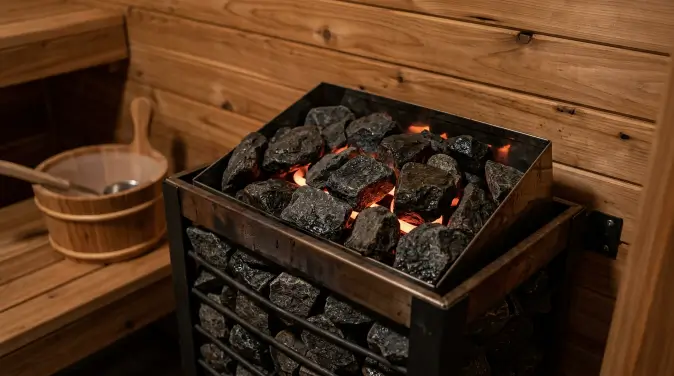
A two-person cabin used daily holds up best with a 6 kilowatt heater rated for continuous residential duty, sized slightly above the bare minimum calculated for the room’s cubic footage, paired with digital controls that let both users save separate temperature presets. Daily use adds real wear that occasional use does not, so buying a heater built for that cycle from the start, rather than a bargain unit meant for weekend use, saves money over a two- or three-year window even though the sticker price is higher.
Why Does Daily Use Change What Heater You Should Buy?
A heater used once or twice a week can get away with a lighter-duty element and a basic mechanical timer. One used daily cycles through hundreds more heat-up and cool-down cycles a year, and that repeated thermal stress is what actually shortens element life, more than raw hours of runtime. Manufacturers that publish a continuous-duty or high-frequency rating are building for exactly this use pattern, and paying the difference between a budget unit and a duty-rated one, typically $150 to $300, usually costs less than replacing a cheaper element two years in.
What Size Heater Actually Holds Up to Two People Every Day?
Start from the same cubic-footage math used for any cabin, roughly 1 kilowatt per 45 to 60 cubic feet, then size up rather than down if the unit will run daily. A cabin that calculates to a bare 5 kilowatt minimum performs and lasts better with a 6 kilowatt heater, since the larger unit reaches temperature faster and spends less time running at its absolute maximum output during each session. Two people sitting close together in a well-sealed 6 by 6 foot cabin do not meaningfully change the heat load compared to one person, so sizing is driven almost entirely by cabin volume, not occupancy.
What Controls Matter for Two People Sharing a Daily Routine?
A digital control panel with two or three saved presets solves the most common daily-use friction point, which is one person preferring a hotter, drier session and the other wanting a slightly cooler one with more steam. Look for a control that separates temperature and session-length settings rather than a single dial, since that split makes it easier to run a shorter 20-minute session on a weeknight and a longer 45-minute one on weekends without reprogramming anything. A basic mechanical timer works fine for a single user with a fixed routine, but two people sharing a daily cabin tend to get more consistent use out of digital presets.
What Does Daily Use Do to Stones, Elements, and Running Cost?
Stones typically need replacing about once a year under daily use, compared with every two to three years for a weekend-only cabin, since repeated thermal cycling cracks the igneous rock faster than the heat alone would. A 6 kilowatt heater run once a day, five to seven days a week, generally adds $20 to $35 a month to an electric bill, depending on session length and local utility rates. When comparing heater models built for this kind of frequency, checking rated duty cycle alongside kilowatt output, whether through a local installer or when you browse SweatDecks sauna heaters, gives a clearer picture of which units are actually built to run every day rather than just capable of it occasionally.
Is There Evidence Behind Daily Sauna Use Specifically?
The research base most directly relevant to daily use comes from a large Finnish cohort that tracked men by weekly sauna frequency. Men who used a sauna four to seven times a week showed lower rates of fatal cardiovascular events and all-cause mortality compared with men who used one only once a week, an association that held up after adjusting for other cardiovascular risk factors. A 2023 review in Mayo Clinic Proceedings looked at how sauna frequency interacts with other lifestyle habits, finding some additional association with favorable outcomes when combined with regular physical activity, which is common among people who build sauna use into a daily routine. A paper in the American Journal of Physiology described the body’s physiological adaptation to repeated heat exposure, relevant background for anyone considering a daily rather than occasional routine. None of this proves that daily use causes a specific outcome for any individual, but the frequency-based pattern in the research does track with what a two-person daily setup is designed to support.
See also: Understanding Red Dot Sight OEM/ODM Services for Brand Development
What Mistakes Do Daily Users Make With Their Setup?
The most common mistake is buying a heater sized for occasional use and then running it daily, which shows up within a year or two as a failed element or cracked stones that need replacing ahead of schedule. A close second is skipping the vent gap under the door, which matters more with daily use since a cabin that never fully airs out between sessions holds moisture that shortens the wood’s life. Neglecting the annual stone swap, even when the heater itself seems fine, quietly reduces steam quality and heat distribution long before anything visibly breaks.
What About Ventilation for a Cabin Used Every Day?
A cabin that airs out fully between sessions handles daily use far better than one that stays closed up between visits. The small vent gap under the door, typically about three quarters of an inch, matters more with daily cycling than with occasional use, since trapped humidity from one session has less time to dissipate before the next one starts. Leaving the door open for ten to fifteen minutes after each session, rather than closing it immediately, gives residual moisture time to escape and reduces the load on the wood over a full year of daily cycles. A cabin with a high shelf vent positioned opposite the door intake circulates air more evenly during the session itself, which also helps the heater distribute heat consistently to both benches rather than leaving the lower bench noticeably cooler than the upper one, a common complaint in cabins built without attention to airflow.
Frequently Asked Questions
What heater size is best for two people using a sauna every day? A 6 kilowatt heater rated for continuous residential duty fits most two-person cabins used daily, sized slightly above the calculated minimum.
Does daily use wear out a sauna heater faster? Yes, though a heater built for continuous duty and correctly sized handles daily cycling well. Consistent session timing helps longevity more than shorter, more frequent warm-ups.
How often do sauna rocks need replacing with daily use? Roughly once a year with daily use, compared to every 2 to 3 years for occasional use.
Is daily sauna use actually associated with health benefits? Population studies have found sessions four or more times a week associated with lower cardiovascular mortality compared with once-a-week use, an association rather than proven causation.
References
- Does the Combination of Finnish Sauna Bathing and Other Lifestyle Factors Confer Additional Health Benefits? A Review of the Evidence, Mayo Clinic Proceedings, 2023
- Effects of heat and cold on health, with special reference to Finnish sauna bathing, American Journal of Physiology – Regulatory, Integrative and Comparative Physiology, 2018
- Cardiovascular and Other Health Benefits of Sauna Bathing: A Review of the Evidence, Mayo Clinic Proceedings, 2018
By Marcus Delaney

