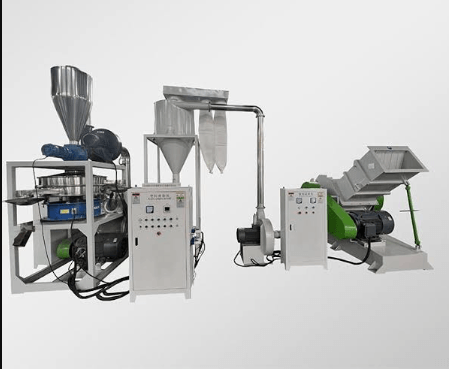
Efficient plastic recycling operations depend heavily on reliable size-reduction equipment, and a well-selected PE PP pulverizer machine can significantly affect both the throughput and quality of recycled plastic powder output. Understanding the key selection criteria helps recycling operators make more informed equipment investment decisions.
The Role of Pulverizing in Plastic Recycling
Pulverizing equipment reduces plastic materials, typically pre-shredded flakes of polyethylene or polypropylene, into fine powder form, which is often required for certain downstream manufacturing processes or specific recycled material specifications that flake or pellet form can’t satisfy.
Matching Machine Capacity to Production Volume
Pulverizer machines are available across a wide range of throughput capacities, and selecting equipment appropriately matched to actual production volume needs helps avoid both underutilized oversized equipment and bottlenecks caused by undersized machines struggling to keep pace with upstream shredding operations.
Particle Size Consistency and Control
Different applications require different powder particle sizes, and machines vary in their ability to consistently achieve fine, uniform particle distribution. Buyers should confirm a machine’s actual achievable particle size range against their specific downstream processing requirements before finalizing a purchase.
Cooling System Design and Heat Management
Since the pulverizing process generates significant friction and heat, effective cooling system design is critical for preventing plastic material from melting or degrading during processing, which would compromise both output quality and equipment longevity.
Wear Part Durability and Maintenance Costs
The blades and internal components that come into direct contact with plastic material during pulverizing experience significant wear over time, making the durability and replacement cost of these wear parts an important long-term cost consideration beyond the initial machine purchase price.
See also: Advanced Machine Learning Solutions Powering Digital Growth
Comparing Equipment Options
Recycling operators evaluating equipment for a new or expanding operation can review the specifications and capacity ranges offered by a PE PP pulverizer machine supplier to compare throughput, particle size control, and cooling system design.
Energy Consumption and Operating Costs
Pulverizing is an energy-intensive process, and comparing energy consumption figures across different machine models can reveal meaningful differences in long-term operating costs, particularly for operations running equipment continuously across multiple shifts.
Frequently Asked Questions
Why does particle size consistency matter in plastic pulverizing? Many downstream manufacturing processes require specific, consistent powder particle sizes, and inconsistent output can compromise the quality or performance of products made from the recycled material.
How important is cooling system design in a pulverizer machine? Very important, since the friction generated during pulverizing produces significant heat, and inadequate cooling can cause plastic material to melt or degrade, compromising output quality.
What should buyers prioritize when comparing wear part costs? Buyers should look at both the durability of wear parts under expected operating conditions and the ongoing replacement cost, since these factors significantly affect the total cost of operating the machine over its lifespan.
Final Thoughts
Selecting the right PE PP pulverizer machine requires careful attention to capacity matching, particle size control, cooling system design, and long-term wear part costs. A thorough evaluation process helps recycling operators invest in equipment that delivers consistent, cost-effective performance over time.